
Trading
Education
Foundational concepts, systematic methods, and practical frameworks. Start with the essentials below, then explore the full research archive.
Essential Reads
Start Here: 5 Core Briefs
Read these in order. Each brief builds on the previous, covering the fundamental concepts every trader needs before developing systems or strategies.
Alt Research Framework
Introduction to the Alt Research methodology. Three core systems—Pivots, Breakouts, and Swing—designed for futures markets with defined edge and risk parameters.
- P1 (Pivots), B1 (Breakouts), S1 (Swing) system architecture
- Futures-focused: ES, NQ, CL, GC primary instruments
- Each system has documented rules, not discretionary signals
Pivot Trading Systems (P1)
Trading reactions at calculated pivot levels. Using daily, weekly, and monthly pivots as high-probability reversal zones in futures markets.
- Central Pivot Range (CPR) for session bias
- R1/S1 as primary reaction levels during RTH
- Confluence with VWAP and prior session levels
Breakout Systems (B1)
Capturing momentum on range expansion. Opening Range Breakouts (ORB), session highs/lows, and volatility-based entries for futures day trading.
- 5-min and 15-min ORB setups on ES/NQ
- Initial Balance (IB) range as breakout trigger
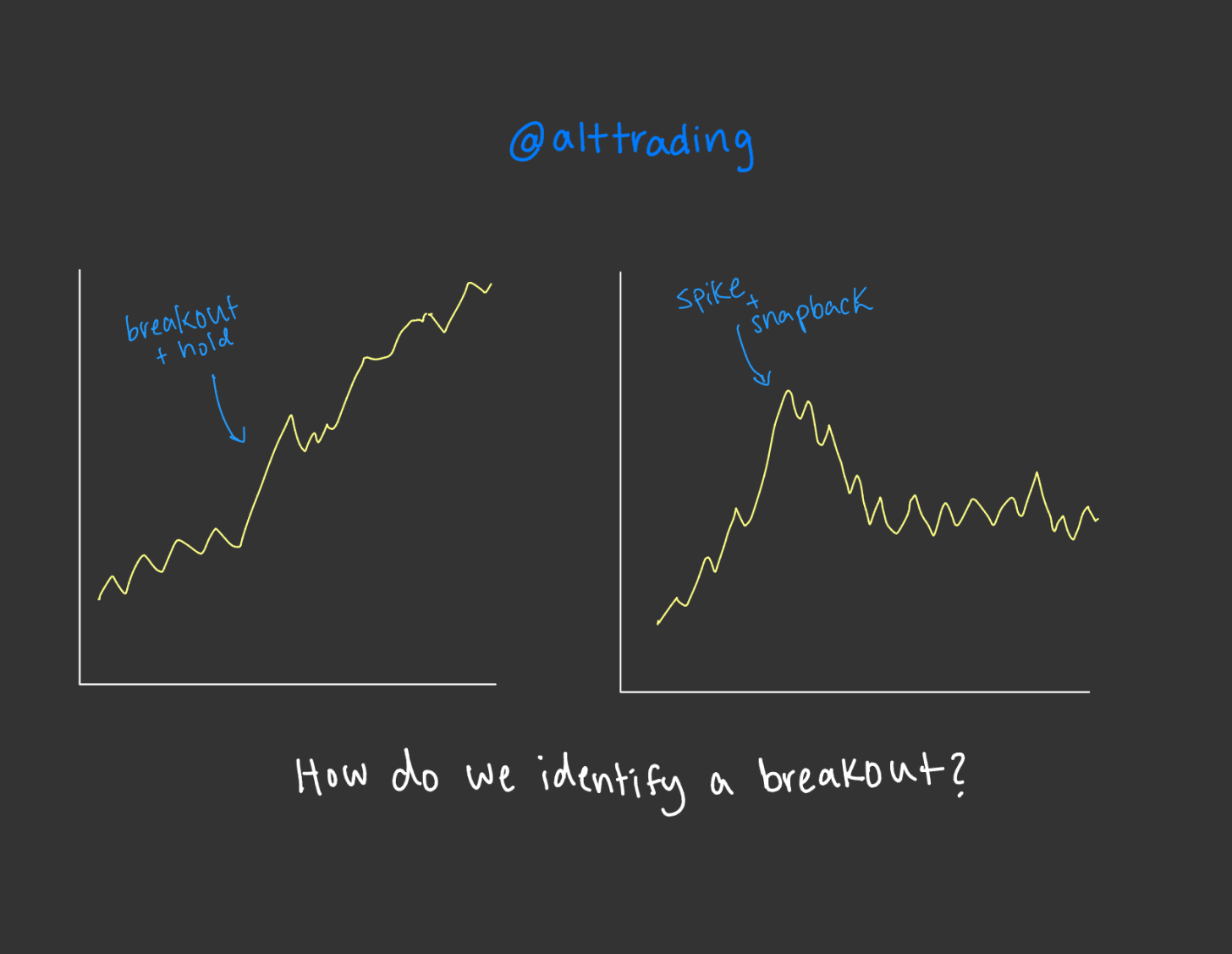
- Volume confirmation and failed breakout recognition
Swing Trading Systems (S1)
Multi-day position trading in futures. Capturing larger moves using daily structure, weekly levels, and trend continuation patterns.
- Daily close above/below key levels for entry
- Holding through overnight sessions with defined risk
- Scaling out at measured move targets
Risk & Position Sizing for Futures
Calculating contract size based on account risk and stop distance. Tick value considerations and margin requirements for ES, NQ, CL, and micro contracts.
- Risk 1-2% per trade, calculate contracts from stop distance
- Micro contracts (MES, MNQ) for precise position sizing
- Account for overnight margin vs. day trading margin
Reference
Quick Concepts
Core trading concepts explained concisely. Bookmark this section for quick reference.
Standard pivot formula for futures:

Pivot (P) = (High + Low + Close) / 3
R1 = (2 × P) - Low
S1 = (2 × P) - High
R2 = P + (High - Low)
S2 = P - (High - Low)

Use prior session (RTH close) for day trading.
Weekly/monthly pivots for swing trades.
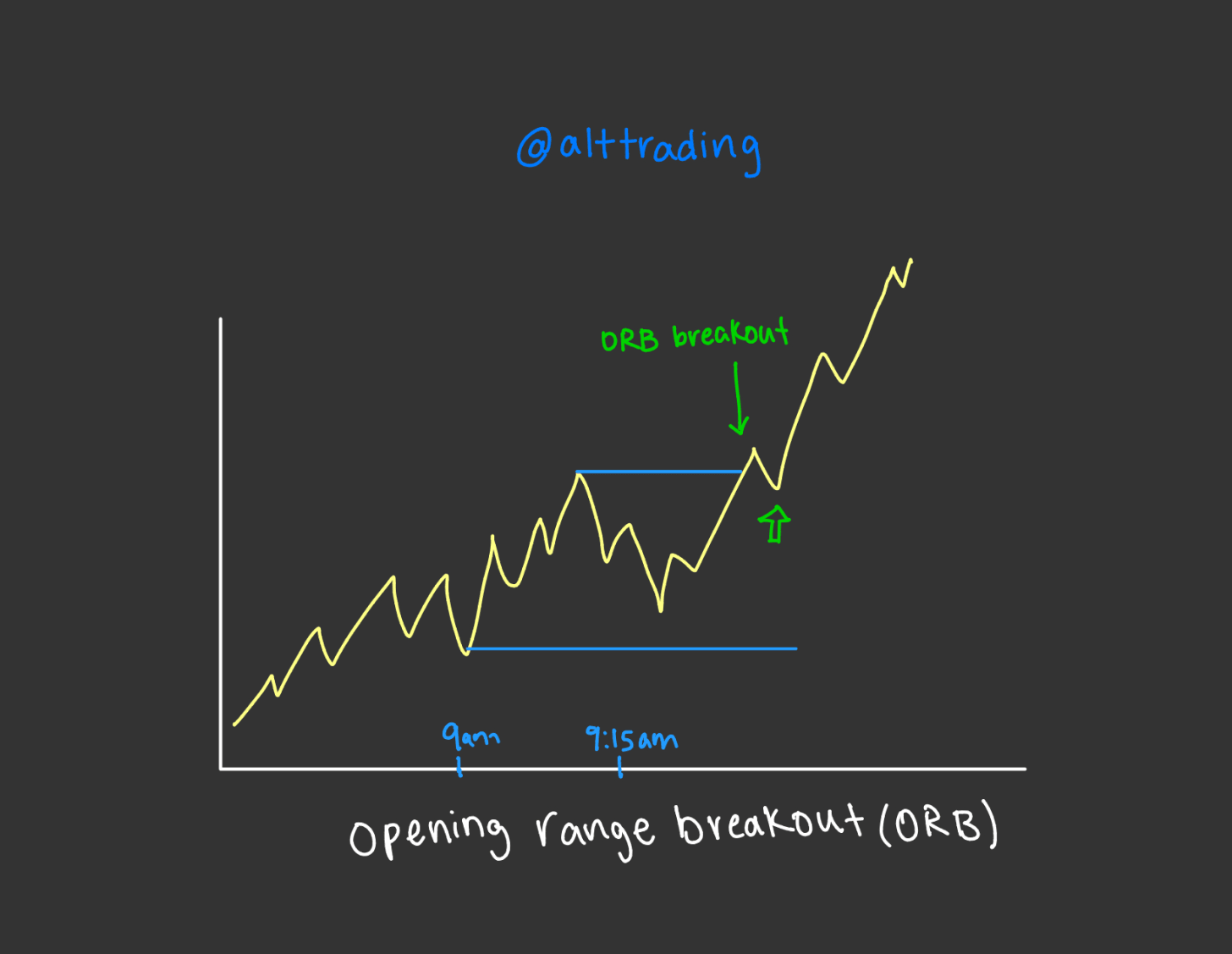
Capture momentum after the opening range forms.

Setup:
• Mark high/low of first 5 or 15 minutes
• Entry on break above/below range
• Stop at opposite side of range
• Target: 1-2x range width

Best on ES/NQ during high-volume RTH open.
Avoid low-conviction, narrow-range opens.
The first hour of Regular Trading Hours (RTH).

Key concepts:
• IB High/Low = first 60 min range
• Break of IB often leads to trend day
• Holding inside IB = rotational/balanced day
• IB width indicates expected volatility

Wide IB = likely rotation. Narrow IB = breakout potential.
Common futures tick values:

ES (S&P 500): $12.50/tick, $50/point
MES (Micro): $1.25/tick, $5/point
NQ (Nasdaq): $5/tick, $20/point
MNQ (Micro): $0.50/tick, $2/point
CL (Crude): $10/tick, $1000/point

Calculate position size from tick risk, not dollar amount.
Archive
Recent Briefs
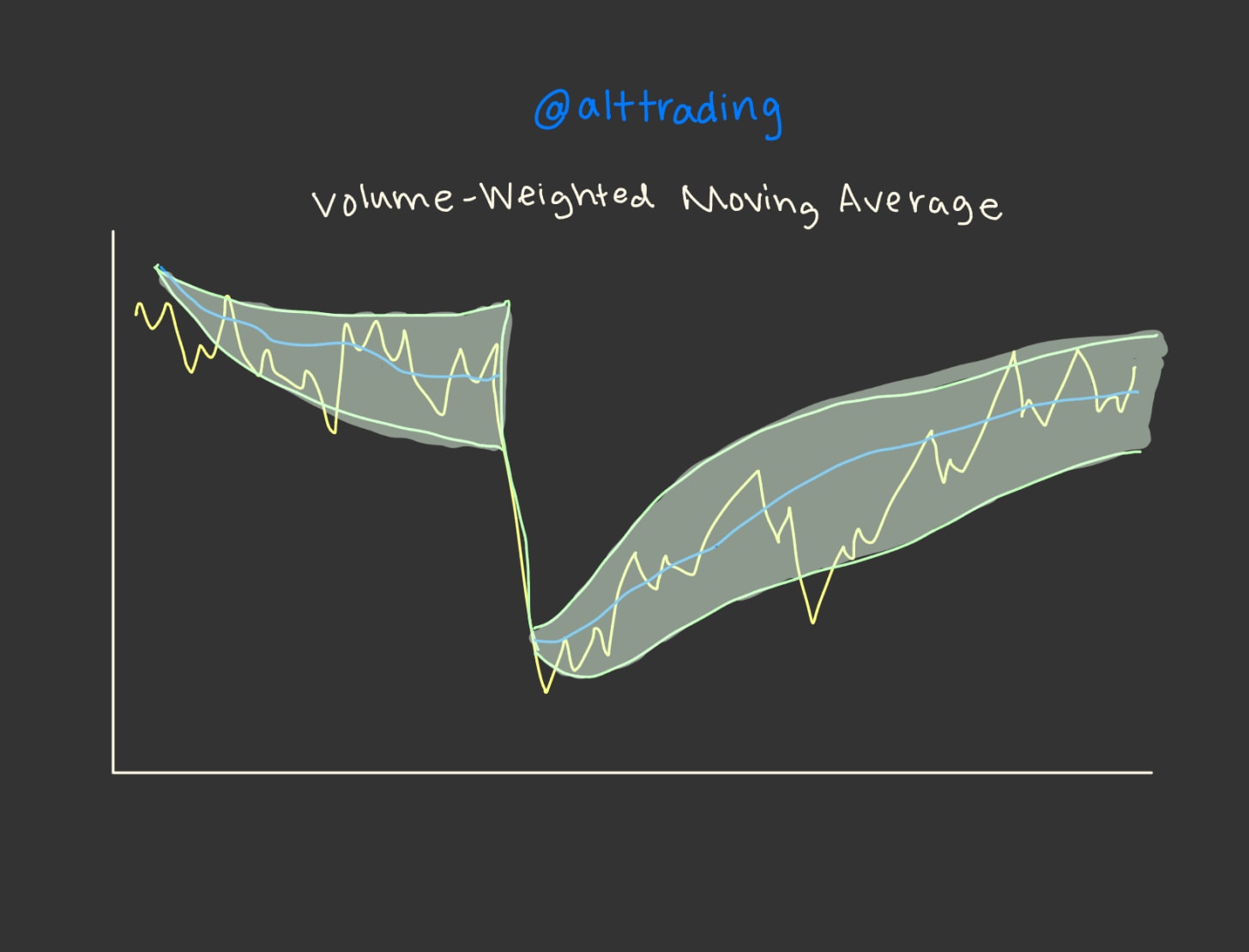
Jan 09, 2026
VWAP Isn’t a Line
It’s a Fair-Value Model
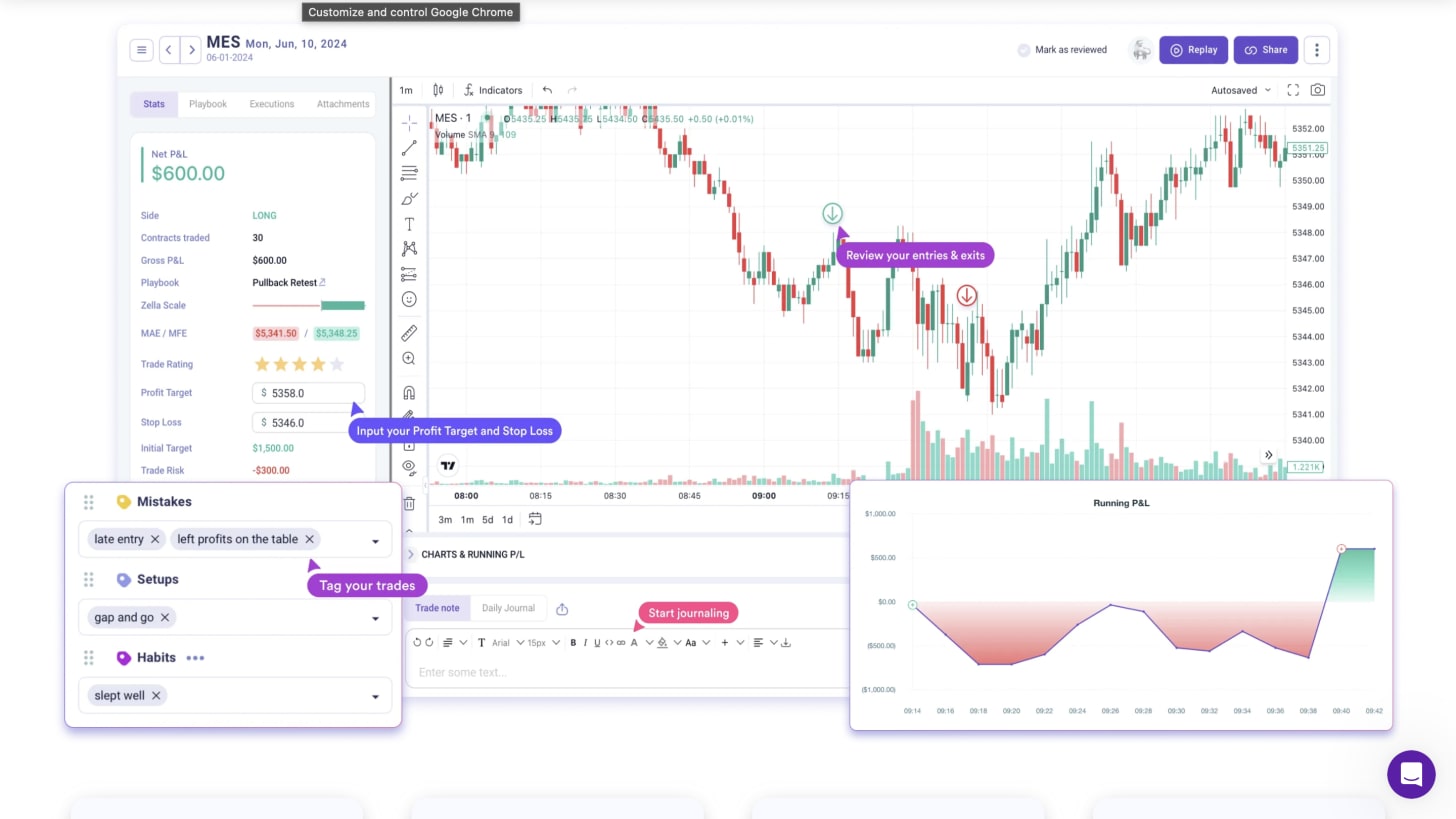
Jan 09, 2026
Stop Learning Trading Linearly
A Research Habit That Fixes Your System
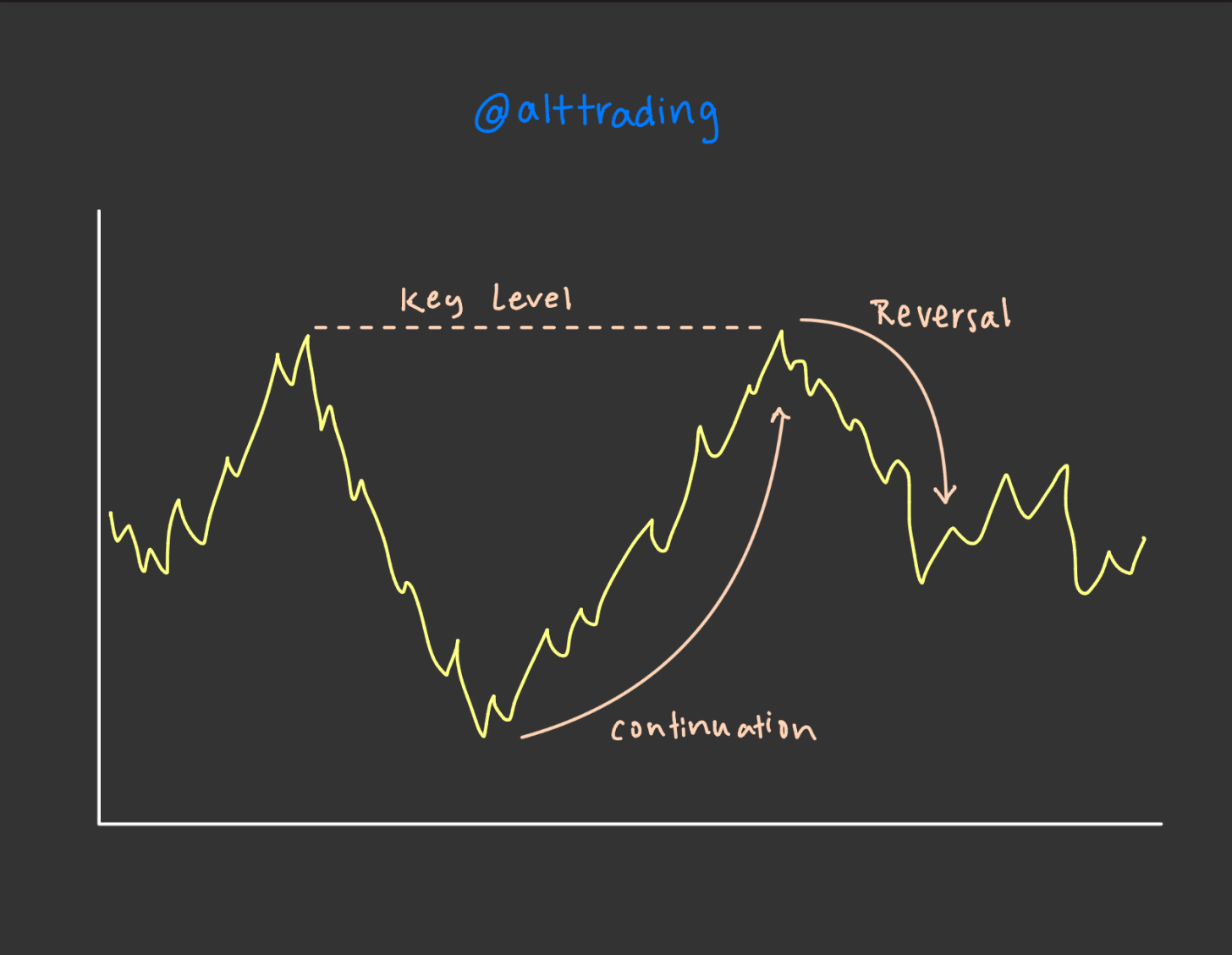
Jan 08, 2026
Reversals Without Gambling
How Professionals Define “Exhaustion”
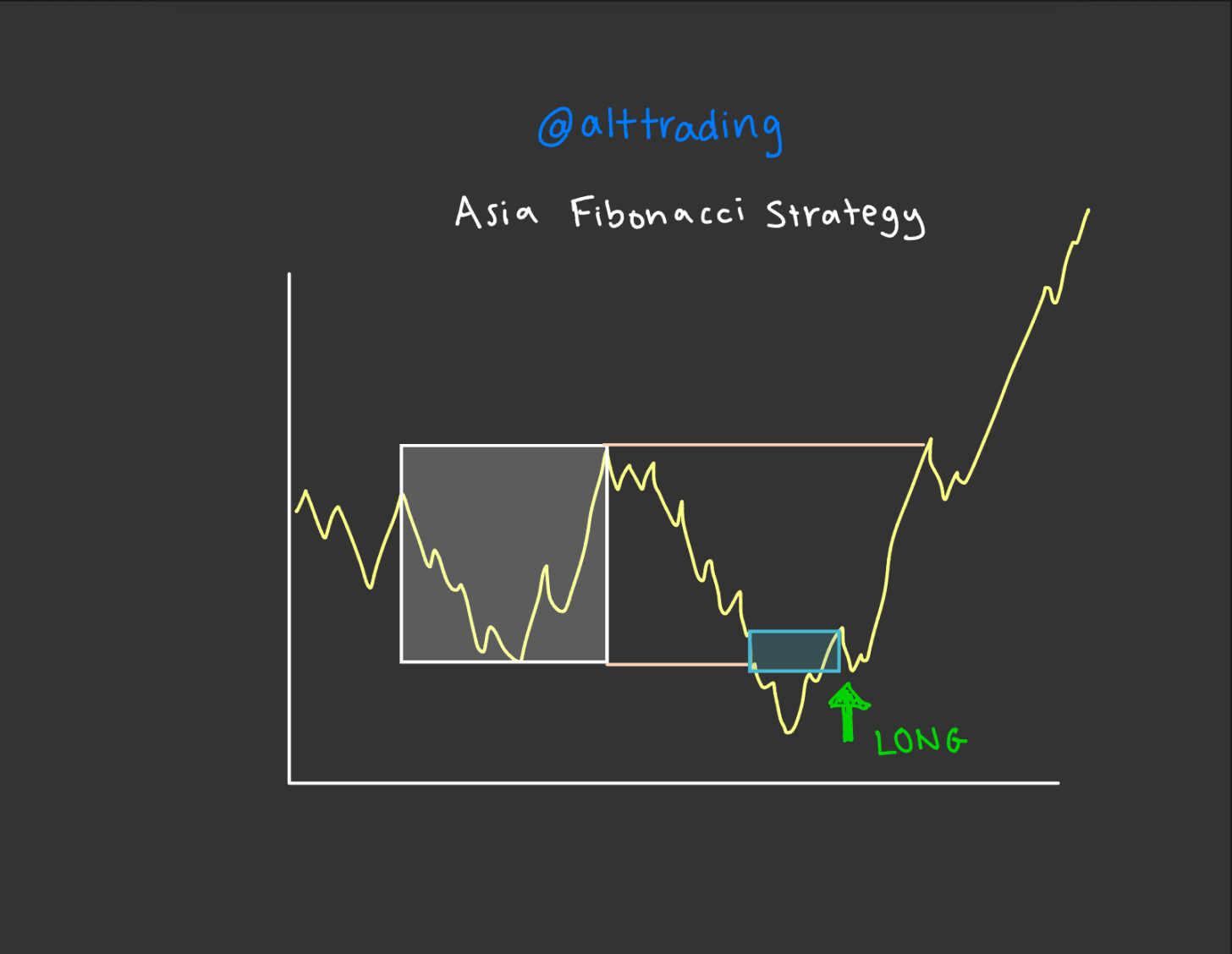
Jan 07, 2026
Asia Range + Fib Logic: A Liquidity Framework
(Not a Meme Strategy)
Jan 05, 2026
Turning the Open Into a Decision Model
ORB Done Right
Jan 04, 2026
Breakouts Are Probability, Not Bravery
(B1 Lens)